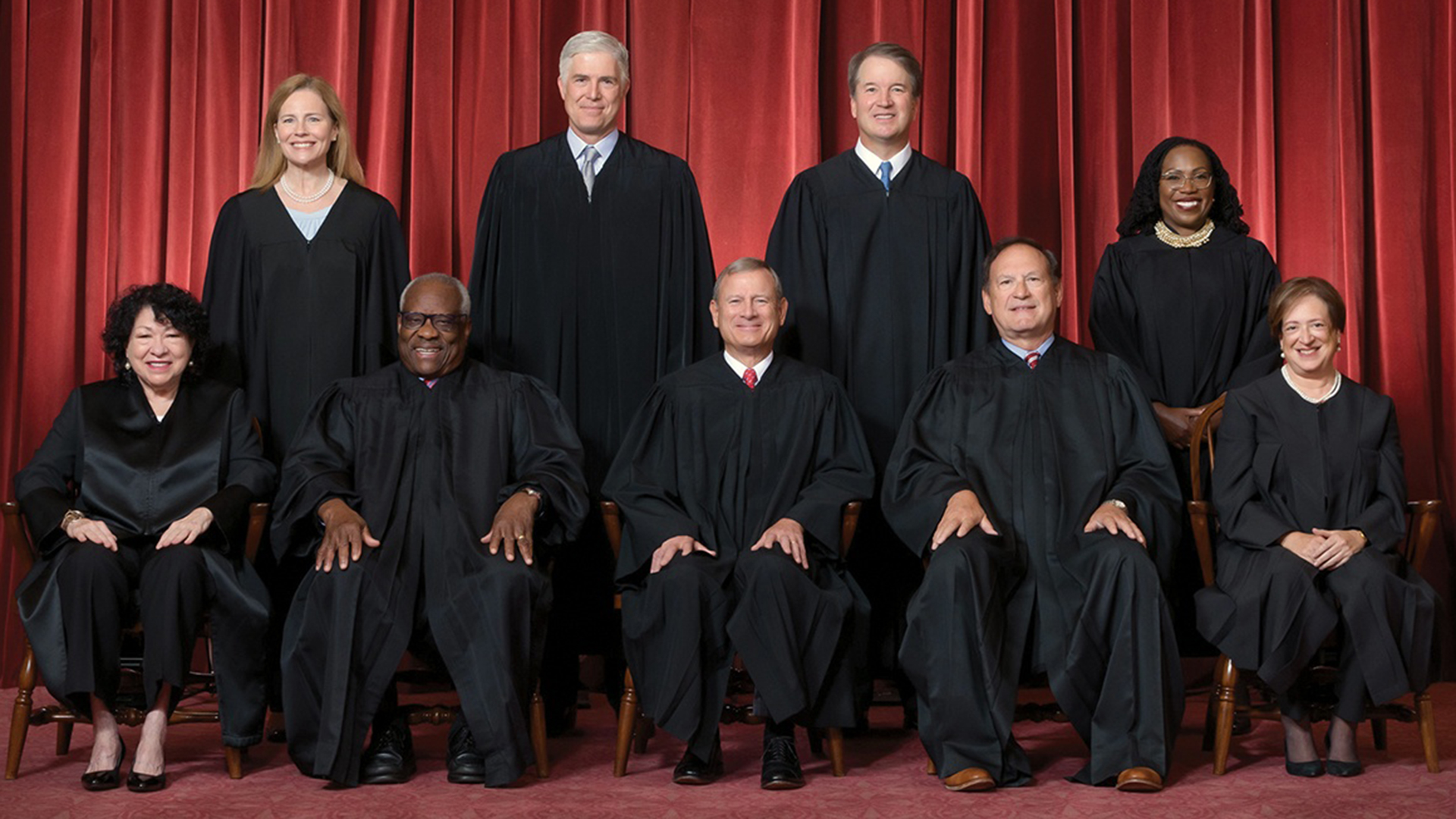
While he likely won’t reach the numbers he had during his first term, according to Reuters, there are more than 240 judges eligible to take senior status, a type of semi-retirement in which a judge may continue to hear cases, but their judicial seat is open and can be filled by the sitting president. Over his two terms, he will have appointed over half of all federal judges, and these are lifetime appointments. Even groups on the left acknowledge that Trump is likely to reshape the judiciary. “The most lasting impact of this GOP sweep will arguably be felt on the courts,” wrote the Huffington Post. “For at least two of the next four years, Trump can appoint dozens of conservatives to lifetime federal judgeships all over the country.”
We anticipate that as he did in his first administration, Trump will appoint judges throughout the judiciary who hold to an originalist approach to the Constitution rather than those who view it as a living, malleable document that changes with the fluctuations in the culture. There is only a true, original meaning of the text. It is an originalist view of the Constitution that led the Supreme Court to reverse Roe v. Wade and restore the First Amendment’s protection of religious liberty in cases First Liberty led: Kennedy v. Bremerton School District, Groff v. DeJoy, Carson v. Makin, and American Legion v. American Humanist Organization.
These decisions, along with several others, have put government officials across the country on notice: No longer can you thwart the religious liberty of Americans. No longer is simply allowing the free exercise of faith to be seen as an unconstitutional “establishment” of a religion.
With a solid conservative majority in the Senate, at least for the next two years, the president should also be able to nominate strong, originalist judges with greater confidence in the approval process. Of course, we can expect the radical left to do all it can to thwart those nominations, as they did during Trump’s first term, but the margins are not as thin as they were then. There is a big difference between a 51-49 GOP-majority Senate and the current 53-47 one.
There is also talk among political pundits that some of the more senior Supreme Court justices, like Samuel Alito and Clarence Thomas, may retire, giving Trump the opportunity to replace them with other originalists. This is all just speculation, and neither has made any statements indicating that they are ready to retire. In fact, both appear as ready as ever to return our jurisprudence to its constitutional foundation.
The judges in the lower courts, however, are the ones who hear most of the many cases First Liberty brings each year as we fight for our clients’ religious rights. We have defended those who have been told they can’t hold religious-themed signs in public, can’t pray on public property, can’t talk to people walking into an abortion facility, can’t start a prayer club in their school, can’t help homeless people from their church, and other cases that affect people who simply want to live out their faith according to their deeply held religious beliefs.
With an administration in the White House that is committed to religious liberty, all people of faith should be encouraged that when new judges are appointed, they will be more consistent with the correct interpretation of the First Amendment. We at First Liberty will be doing all we can to assure that judges committed to the Constitution and our freedoms will be the ones chosen.
Trump’s speech at the National Religious Broadcasters convention last year was a reminder of what his administration achieved for religious liberty in his first four years and a signal of what is ahead, now that he is back in office. He stated emphatically that Americans of faith are not a threat to our country as they have often been portrayed in the media. Rather, they are the soul of the country.
People of faith can expect that same commitment to religious freedom in the coming months. ©2025 Kelly Shackelford
Kelly J. Shackelford, Esq., is president and chief executive officer of First Liberty Institute. He is a constitutional scholar who has argued before the Supreme Court and has won numerous landmark First Amendment and religious liberty cases.