In Bethlehem, a small town south of Jerusalem, the King of the Jews was born—the King who brought hope to Israel and, through Israel, hope to the world. This King, whom the Prophet Isaiah calls the “Prince of Peace” and the “Light of the World,” chose to come to a region that, throughout generations, lacked light, peace and hope; a region filled with hatred and war, where hope is a precious commodity.
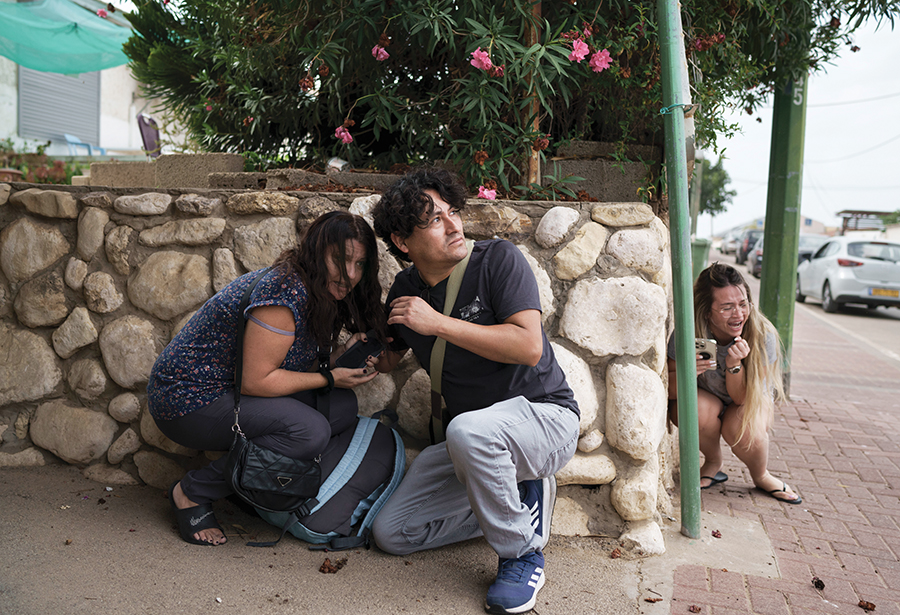
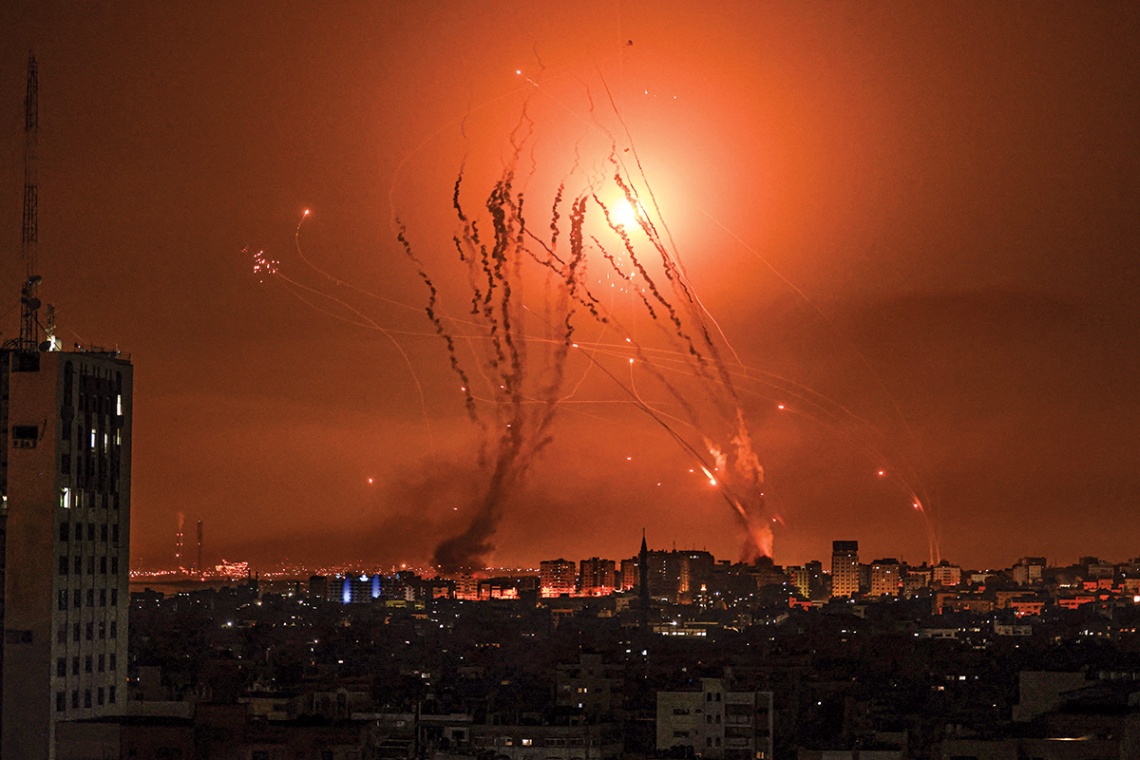
Today, as we know, Israel is fighting on five fronts: in the south against Hamas, in the north against Hezbollah, in the east against both Iran and Iraq, and in the far south against the Houthis in Yemen. We hear the Israeli Air Force flying over us day and night to protect us, and citizens run in and out of shelters as missiles are launched against us.
Each day, we hear of more and more families joining the circle of bereavement with another fallen soldier—young men and fathers who set out to protect their country.
Peace, hope and joy are rare sights on the streets of Israel’s cities.
For most of the people of Israel, in the time of Jesus until now, the Messiah was expected to bring peace. If Jesus is the Messiah, they ask, where is this promised peace? And while we believe that the Messiah first had to bring redemption from sin, our people did not fully understand the concept of a suffering Messiah. They did not understand Isaiah’s prophecy in chapter 53 about the “Servant of God” and the “Lamb of God who bears the sin of the world.”
As we know, God has a redemption plan for humanity, both Jew and non-Jew alike. God chose Abraham, and through him, He promised to bless all nations.
Abraham fathered Isaac; Isaac fathered Jacob, who, after his encounter with the angel of the Lord, was renamed Israel. Jacob chose to go down to Egypt, and the children of Israel remained there for 400 years. God then raised up a leader in Moses, and with a mighty hand, He brought Israel out of Egypt.